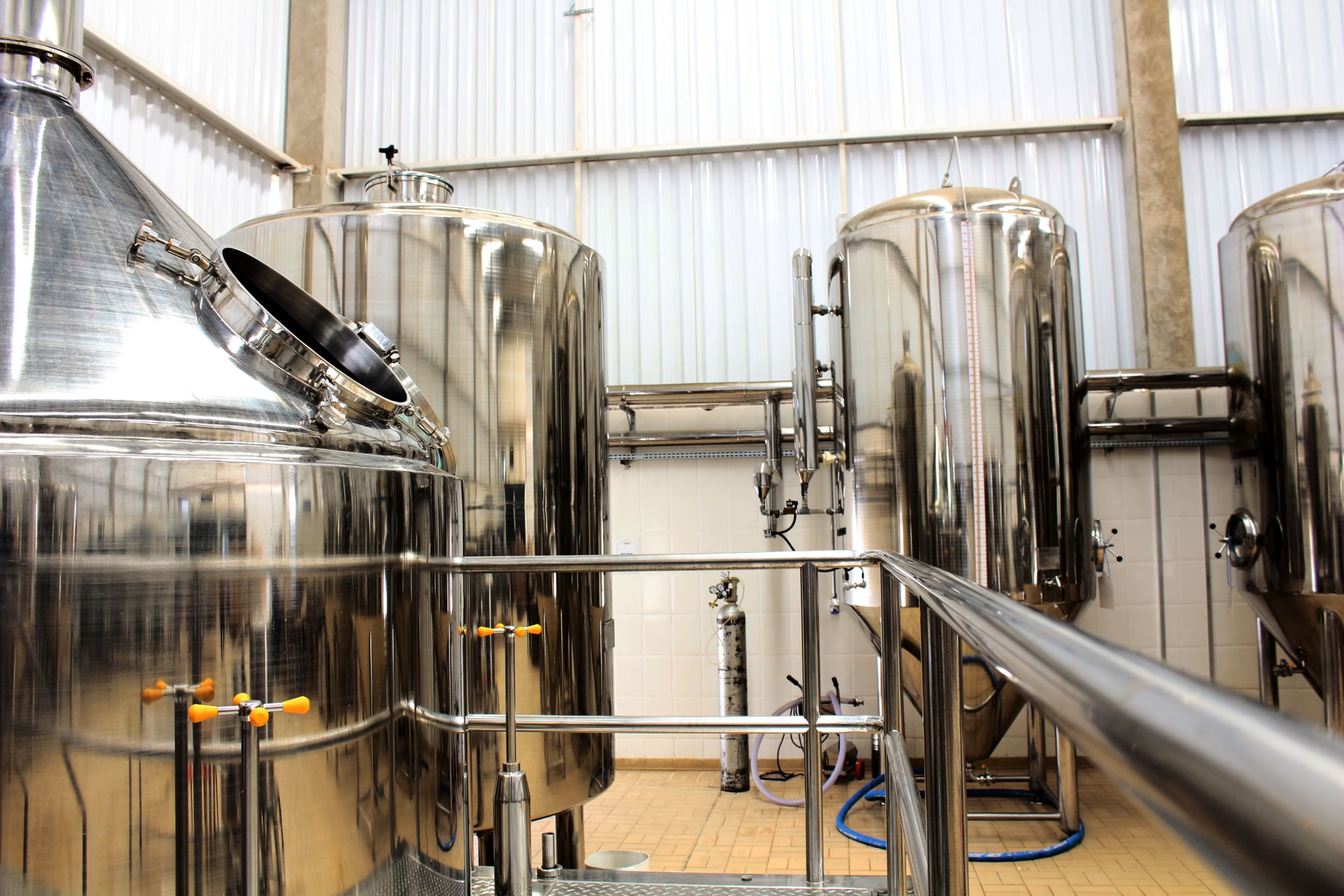
Large stainless steel brewing and fermentation tanks inside a commercial craft brewery facility, representing the scale of production to consider when budgeting and reviewing your annual malt price sheet.

Malt Price Sheet: Planning Guide for Craft Brewers

October 20, 2026


Reviewed by Jeff Wysocki, Director of North America Marketing and Product

Key Takeaways

  • Contract buying locks in price stability and secures your allocation for the year, while spot buying leaves you exposed to market volatility.
  • Look beyond the base price. Minimum order sizes, pallet fees, and freight costs can drastically change your final per-pound rate.
  • Bulk malt delivery eliminates packaging costs and labor, but it requires the right silo infrastructure and turnover volume to justify the upfront cost.
  • Timing is crucial: begin forecasting in early spring and sign your malt contracts by summer to secure the best allocations.

We know that it can be an open frustration in the craft beer industry: too many suppliers guard their pricing and contract structures like state secrets. At Malteurop, we believe you can’t run a profitable, forward-thinking brewery on guesswork.

As you prepare for the upcoming year, understanding the true cost of your raw materials means looking far beyond the base number on a price sheet. Real supply chain planning requires a deep dive into contracts, shipping logistics, and storage options.

Here is a transparent guide to:

  • How malt buying works
  • What to watch for
  • How to plan your brewing budget accurately

Beyond the Base Price: Understanding Your True Costs

When a supplier hands you a quote, that number is only the beginning. The actual cost of getting base malts and specialty malts is dictated by several moving parts:

1. Contract vs. Spot Buying

Your purchasing strategy hinges on how much volume to lock in and how much to keep flexible.

  • Contract Buying. Contracting malt for your brewery’s production provides ultimate price stability and guaranteed allocation. By committing to an annual volume, you lock in your pricing, protecting your margins against market volatility and poor barley harvests.
  • Spot Buying. Spot buying can offer some flexibility. If a seasonal beer takes off unexpectedly, spot buying fills the gap. However, you are entirely at the mercy of current market prices and inventory availability. Depending on the market, nothing may be available, or prices could jump tremendously, meaning you’ll pay much more per pound, which negates the value of having a silo. 

The Bottom Line: Contract Buying = Price Stability.

The Strategy – Review last year’s production and run multiple scenarios to forecast usage as accurately as possible. Don’t forget to look at this year’s volume to see whether you are at risk of carryover into next year’s contract.

2. Bulk Malt vs Bagged Malt

The debate between bulk malt and bagged malt usually comes down to your brewery’s infrastructure, cash flow, and growth stage. Let’s look at the difference between these two options:

  • Bagged Malt. Buying bags is great for smaller operations or specialty malts. However, it carries higher packaging and handling costs.
  • Bulk Malt. Bulk deliveries can drastically reduce your cost per pound. It eliminates packaging costs and reduces labor (no more hauling and slicing bags). 

Think of it this way: 22 metric tons of malt will set you back $15-16k. Make sure you’re turning over that silo so you don’t have money tied up for too long a period of time.

Did you know Malteurop offers both bulk and bagged malt? Learn how to become a customer.

Hands holding a pile of grain kernels

3. Beyond the Malt Price Sheet: Minimum Orders, Freight, and Lead Times

A lower base malt price can quickly become expensive if you don’t account for logistics.

  • Freight. Shipping malt can be expensive. A slightly higher-priced malt from a regional malthouse that is closer to your brewery can often cost less than a cheaper malt shipped across the country. 
  • Minimum Orders. When you partner with a malt supplier, pay close attention to their order tiers. Ordering 10 pallets at once might trigger a freight break that a 5-pallet order doesn’t qualify for. Maximize your truckloads to minimize your per-pound freight cost. 

Did you know: Malteurop has 0 minimum order fees and 0 minimum pallet fees.

  • Lead Times. Understand your supplier’s required lead times for both contracted draw-downs and spot orders. Failing to factor in transit time can lead to emergency expedited shipping, which will completely blow up your brewing budget.

What to Lock In (and When)

To avoid supply chain headaches, timing is everything. Here is what we recommend, although it can differ from brewery to brewery.

  • Feb-March. Begin reviewing your year-to-date usage. Forecast your base malt, core specialty malts, and any seasonal needs.
  • May-June. Start planning for next year’s commitments. 
  • Summer. Sign your malt contracts. Secure your allocations for base malts and high-volume specialty grains.

About the Reviewer: Jeff Wysocki is an experienced executive currently serving as the Director of North America Marketing and Product.

Frequently Asked Questions (FAQ)

Start reviewing your usage and forecasting needs between February and March. Plan next year’s commitments in May or June, aiming to sign your contracts by summer to secure allocations.

Bagged malt is ideal for smaller operations or specialty malts, though it involves higher handling and packaging costs. Bulk malt deliveries require a silo but eliminate packaging costs and drastically reduce labor and per-pound rates.

Contract buying guarantees price stability and secures your allocation for the year. Spot buying is flexible and good for unexpected seasonal beers, but it leaves you entirely dependent on current market inventory and vulnerable to sudden price spikes.