Why breweries should be talking more about malt, part 2: The Foundations
December 15, 2023

New Distribution Center in The Greater Toronto Area now open!

December 15, 2023
If breweries want to create beer superfans by touting their malts, they must have a solid foundation of strong messaging and knowledgeable staff.
In the first part of “Why Breweries Should Be Talking More About Malt,” we highlighted how malts offer a tremendous opportunity to more deeply connect with your customers and create new ones. A way to create craft beer superfans for your brand.
It’s easy enough to say that it sounds like a perfectly good opportunity, but altogether another to figure out how to go about educating drinkers about this foundational ingredient in the beers that they love, thereby forming a bond with your brand. That’s why we’re bringing you “Talking More About Malt Part 2.”
It can’t be the brewer that does everything in promoting the beer and its ingredients. Though, the brewer is likely the one with the most extensive knowledge of the beer and its ingredients and the character they impart in the final product. The brewer is integral, but it takes much more than the brewer or brew team to educate consumers.
To that end, the foundation of any brewery achieving their goals with their customers is to have clear messaging and an educated and passionate staff. If we want to create superfans or just inform customers as to what their options are, we need explicit, engaging messaging and staff that can communicate what the brew team hopes to achieve.
Can a drinker enjoy your beer without being a beer geek, a cicerone, or simply not knowing exactly what is in their glass? Of course, they can!
We’re not here to look down our noses at anyone that simply wants to kick back with a fresh brew and sip it for how it tastes at the moment. That is a perfectly fine way to enjoy craft beer.
But let’s face it, craft beer is full of history, complexity, allure. The art and science that is brewing craft beer has a magical quality to it. Whether a brewing industry professional or a casual drinker, there is something about a well-crafted beer that leaves us yearning for understanding.
We already provide much information when it comes to hops, and to some extent yeast, but malt is the backbone of beer. Without it, there is no beer. So let’s make it just as much of our superfan lexicon.
Why not draw on the passion and curiosity of your fans to connect on a deeper level? There are more engaging ways to do it, but starting begins with an educated staff that can expound upon the information presented to your drinkers.
We promote hops to the nth degree. The hop names, flavors, aromas, and even hopping techniques are frequently presented to the drinker in beer names, on the beer board behind the bar, as well as on menus, packaging, and labels.
Each of those is an opportunity to also promote malts. Giving the drinker more information about what is in their hand. This obviously has to fit within the physical space available for each option, and it has to make sense.
A beer name or a beer board offers less opportunity to go into detail. But just as hops can sometimes be presented in the name of a beer (i.e. Wet Hop Thunder Strike) or in a quick mention of the style (double dry-hopped with Simcoe and Citra), malt could fit as well. For example, if you list a beer named Fleur de Lis, why not name it Fleur de Lis French Pilsner? You might also note in the description “made with 100% French Pilsen malt.”
But a beer name or a beer board will typically be accompanied by a more detailed menu and/or a knowledgeable beertender, who can better speak to the details of the beer. Both should include mentioning the malts used and what they impart to the beer.
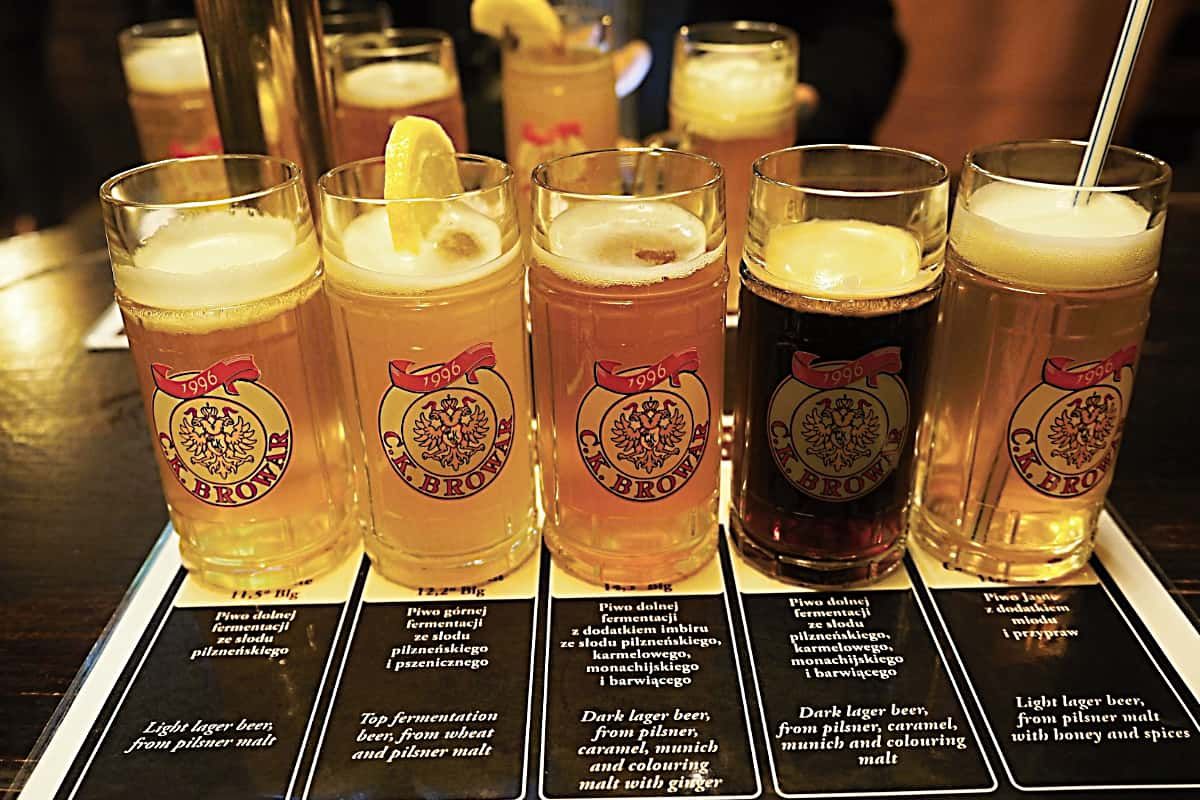
If anything good came from the pandemic era for craft beer, it is the increased usage of QR codes and electronic menus. Not everyone loves these, but they are a useful tool to expand upon the story of your brewery and your beers. The electronic documents that a QR code pulls up are only limited by the time available to invest in it and the story or other information that you’d like to convey about your beers.
Whether printed on a piece of paper or scanned via a QR code, the world opens dramatically to tell the story of your beers and their ingredients on a menu. Aside from creating superfans, this is one of the best tools you have to give drinkers the information they need to decide on their next drink. Talk of the hops, malt, yeast, and how they all interplay to create your magic potion.
Packaging and labels don’t always offer as much real estate as a menu might, but can still be used to identify the malts and their qualities that work with hops and yeast to shape a beer. Similar to a beer board, the name of the beer and the short description of it can set the stage on packaging. And, it goes a long way to helping a drinker break through an eye-catching label design that leaves them with no idea what’s inside.

Beyond the beer board, menus, and packaging, part of empowering beertenders and servers with beer knowledge is the brew team’s notes and other education. I’ve seen in several breweries how an old-school three-ring binder with the brewer’s notes on their various beers can be at the ready for staff when someone has a specific question. Of course, this could also take on an electronic format, such as a PDF file for ease of portability and could even be presented to customers, if desired.
Brewer’s notes are particularly helpful when the information includes not only traditional beer lingo, but also some layperson’s terms. Such as, in addition to saying roasted barley and black patent malts are roasty, perhaps include that roasted barley imparts notes of dark roast coffee and/or dark chocolate, whereas black patent malt may impart much of the same, but with a more intense, over-roasted or burnt, bitter, or ashy type of flavor.
This educational binder can be coupled with regular meetings between the brew team and staff tasting different beers and answering questions about the flavors and what the hops, malts, and yeast, as well as various techniques impart in a specific beer. Also, where did the name come from? Does this style have some historical or other significance that could be interesting to the drinker?
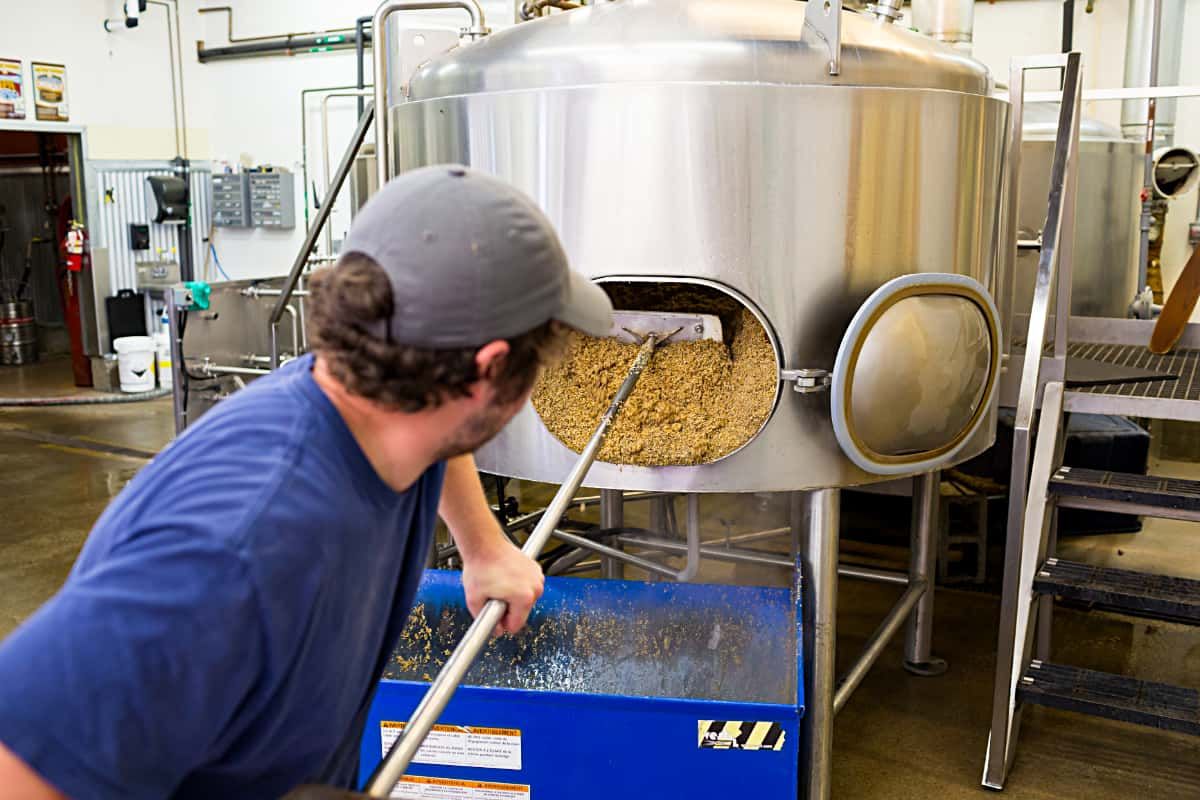
Another tremendous staff educational tool is having each staff member design and brew a beer with the brew team. There is no substitute for first-hand experience when it comes to fully understanding what shapes the character of a beer. A server that has actually brewed beer, from recipe development to mashing in to dry-hopping and carbonating, obtains a new depth of understanding to pass on to customers.
There are also many educational opportunities to help staff acquire the professional knowledge that will help them communicate your beers to customers. Aside from traditional colleges and schools, there are online programs, such as the Cicerone Certification Program, which offers a Beer Server certification to set a baseline level of professional knowledge.
So we’ve convinced you to create superfans, partly through promoting the malts in your beers, but also how to get things started with your staff. Next, we’ll move on to some exciting, engaging ways to directly educate your customers and turn them into the superfans that will help drive craft beer for the foreseeable future.
– – – – –
Why breweries should be talking more about malt, part 1: The Introduction
Why breweries should be talking more about malt, part 2: The Foundations
Why breweries should be talking more about malt, part 3: Craft Beer Superfans
Premium grains from field to flavor.
– – – – –
Malteurop Malting Company (MMC) is based in North America—specializing in growing and producing quality malts for the beer, whiskey, and food processing industries. With local farms and Malthouses spread across the United States, Canada, and Mexico, Malteurop’s commitment to excellence is fully ingrained into every batch it produces, ensuring businesses of any size can create the finest beverages and food products on the planet.
Visit www.malteuropmaltingco.com to learn how we can support your malting needs.
Contact us at customersuccess@malteurop.com or (844) 546-MALT (6258) for questions or to place your order.
Malting is our passion. Quality is our promise.