Why breweries should be talking more about malt, part 3: Craft Beer Superfans
January 24, 2024

New Distribution Center in The Greater Toronto Area now open!

January 24, 2024
In the conclusion to “Why breweries should be talking more about malt,” we delve into ways for breweries to directly engage and educate craft beer drinkers to create brewery superfans.
Part one of “Why breweries should be talking more about malt” discussed the opportunity that malts present to more deeply connect with craft beer drinkers. In the second article of the series, we set the foundation with clear messaging and a well-informed and well-educated staff.
Now, we’re into the heart of creating your brewery’s superfans. Engaging drinkers and educating them, giving them a stimulating connection between what they are drinking and what they know about what they drink.
If you’ve used your beer board, menus, and packaging to get across some basic information about the malts in your beers, your drinkers should have a better familiarity with your ingredients. But there are also more hands-on opportunities for them to better understand the influence that malt, as well as other ingredients, have on the finished product.
The best way that a drinker has to truly understand the impact that malt has is to taste it. Tasting events can range from the uber geeky to a more elegant approach that can be just as much of an enjoyable tasting event as it is a learning tool.
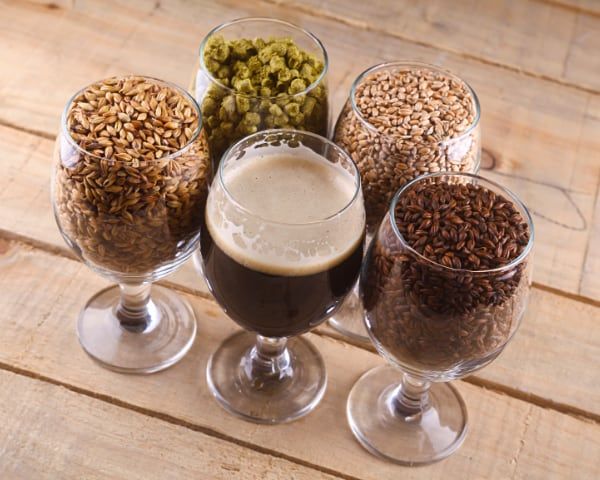
If you’re familiar with the ASBC (American Society of Brewing Chemists) Hot Steep Malt Sensory Evaluation Method, you’ll immediately realize that this educational event falls in the geeky category. There probably aren’t many casual drinkers that are all that interested in tasting hot steeped malt, but there are a lot of craft beer drinkers that are geeky at heart.
Our friends at Pilot Brewing do something along the lines of what we’re talking about at their brewery in Charlotte, North Carolina.They frame it as a Beer Education Night called Malt 101. It’s a ticketed event, for which they charge a small fee.
A sensory experience can be as simple as an hour-long event that educates drinkers on malt’s function in making beer (fermentables, color, taste). The leader can then name and describe some of the types of malt and what their purpose is in different types of beer.
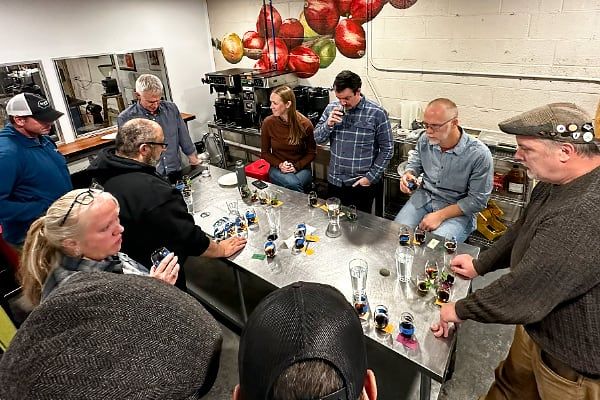
They can then finish with a tasting of some hot steeped malts using the ABSC Hot Steep Method, alongside some beer samples that feature those same steeped malts. This is a great way for drinkers to better understand the character of the basic malt in the hot steep, but then also understand how that translates to the finished beers that they so enjoy.
Another way to impart more knowledge about how malts affect a beer is a simple beer tasting event. Four or five beer samples can be paired with a brewer or other staff expert that can explain the malts in the beers and relate that to what the drinker is tasting.
There are different ways of approaching this. You could have four samples of very different beers that clearly point to the bigger differences that malt can make in a beer. Such as, comparing the malts and flavors of a German Pilsner to an Amber Ale to a Brown Ale and on to a Porter or Stout. This approach is especially good for drinkers with minimal or no brewing knowledge.
Another approach, a more advanced and geekier one, could be putting beers that are more similar, but utilize different malts, side by side. In this approach, think of a sampling that includes the likes of an Amber Ale, a Marzën, a Brown Ale, and a Porter.
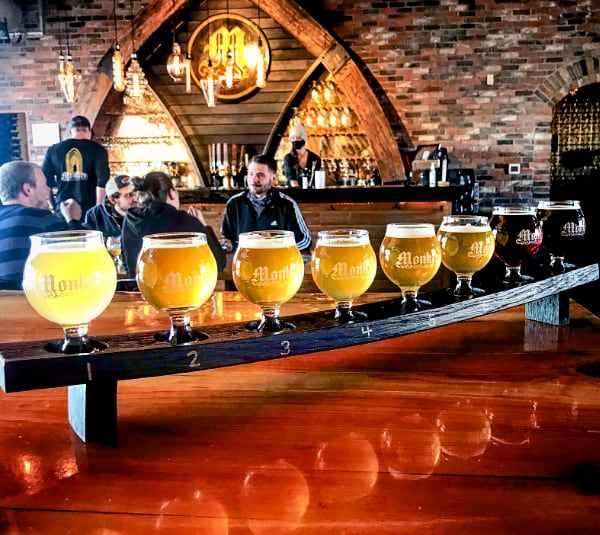
Going in another direction, you could do a vertical tasting of some samples that are all made from the same base beer, but have been finished differently or with varying adjuncts. This is a good way to strengthen the drinker’s depth of knowledge of a specific malt and how it influences the final flavor of the beer when that malt is paired with different ingredients. The vertical comparison is especially effective when you have the base beer without any alterations to use as your control sample.
Of course, beer tastings can also be fun for the more casual drinker that doesn’t get too deep in the geekiness of beer, but still loves to taste and compare different beers.
Food and beer pairings aren’t necessarily the easiest thing to coordinate, but can be invaluable in showcasing your beers. They can be difficult, especially if your brewery doesn’t also have food options or someone on staff that is knowledgeable about pairing food and beer. But there are Cicerones, local chefs, and other experts that can oftentimes help put together a good food and beer pairing event.
Though many people think of wine when it comes to pairing food with alcohol, beer is also an excellent choice when it comes to food pairing. There is a wide spectrum of styles and flavors from which to pair with food.
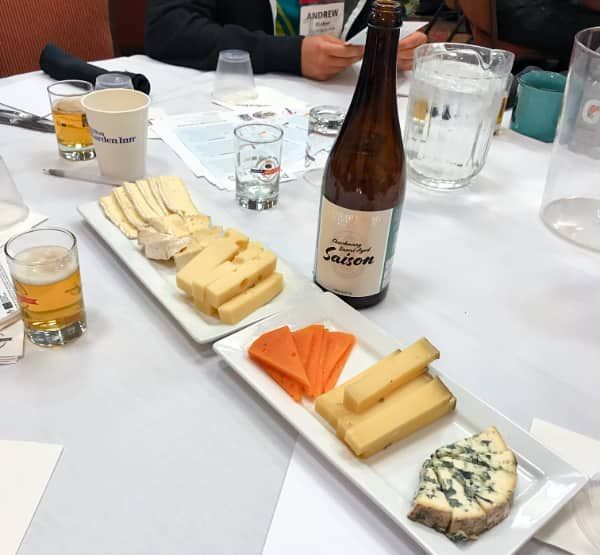
When pairing food and beer, it is important that there be someone with a strong knowledge of the beer’s ingredients that can talk to how and why the beer does what it does in the pairing. Such as explaining how the smokiness of the malts in a rauchbier harmonize with a rich, caramelized brisket or how the caramel or toffee-like sweetness of crystal malt in a brown ale enhances a chocolate covered caramel.
Done right, a pairing can make your beer taste magical.
Bringing the key elements of our three articles on “Why breweries should be talking more about malt” together is the synergy for creating craft beer superfans for your brewery.
There is a market of passionate drinkers that, as the market has matured, so has their understanding of what they are drinking. But part of that understanding only feeds their desire to know more.
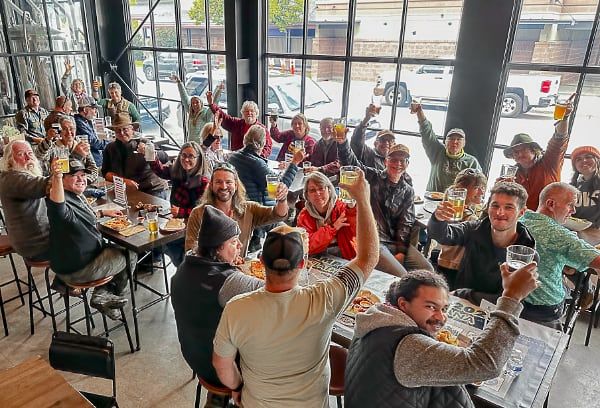
A knowledgeable, passionate staff is essential to putting forth the story of your brewery and your beers. From naming, descriptions, and telling the stories behind the beer to educating your drinkers, they can help you create your craft beer superfans.
And while malt has always been and always will be a key ingredient in making good beer, it has often been undervalued as a tool to connect on a deeper level with drinkers. Why not make it a cornerstone of your marketing and educational events, quenching the thirst of your drinkers who always want to know more.
– – – – –
Why breweries should be talking more about malt, part 1: The Introduction
Why breweries should be talking more about malt, part 2: The Foundations
Why breweries should be talking more about malt, part 3: Craft Beer Superfans
Premium grains from field to flavor.
– – – – –
Malteurop Malting Company (MMC) is based in North America—specializing in growing and producing quality malts for the beer, whiskey, and food processing industries. With local farms and Malthouses spread across the United States, Canada, and Mexico, Malteurop’s commitment to excellence is fully ingrained into every batch it produces, ensuring businesses of any size can create the finest beverages and food products on the planet.
Visit www.malteuropmaltingco.com to learn how we can support your malting needs.
Contact us at customersuccess@malteurop.com or (844) 546-MALT (6258) for questions or to place your order.
Malting is our passion. Quality is our promise.