The Nut so Boring Brown Ale
January 21, 2025

New Distribution Center in The Greater Toronto Area now open!

January 21, 2025
Nut brown, British brown, American brown – all brown ales. Whatever you call them, brown ales are boring! Or are they? This is the story of the brown ale. And, contrary to popular belief, they’re nut boring at all.
The term brown ale was first used in the late 1600s. London brewers coined the term due to the typical coloring as a result of the malts used at that time. While this may have been the first time these beers were dubbed brown ales, brown beer has been around since brewing has been around. You can thank the open-flame malt drying method for the color.
Those open flames also gave the beer a burnt smoky flavor, and consumers were growing weary of bad tasting, brown beer.
As malting technology progressed and became widespread, paler malt versions became readily available and cheaper than the “brown” malts that were previously being used.
To stay relevant in an ever-changing market, brewers changed their recipes. They added more hops, increased the alcohol, and aged the beer longer, giving birth to a more nuanced version of the typical brown ale. The English Porter was born.
But consumers wanted more. They enjoyed the lighter colors of the pale malts which also brought about new flavors. These lighter and hoppier versions, along with the newly crafted English Porter, pushed the brown ale back into the dark ages where it originated.
But as many beer styles do, brown ale is once again seeing the light of day.
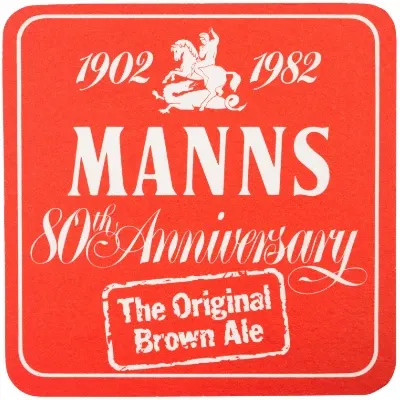
Brewed in 1902, Mann’s Brown Ale is believed to be one of the first brown ales finding its way back into modern times. This sweet ale was crafted in the East End of London at Albion Brewery by Mann, Crossman, and Paulin, and ultimately defined what would later be known as the London Brown, also referred to as the Southern English Brown. This historic beer is difficult to come across today.
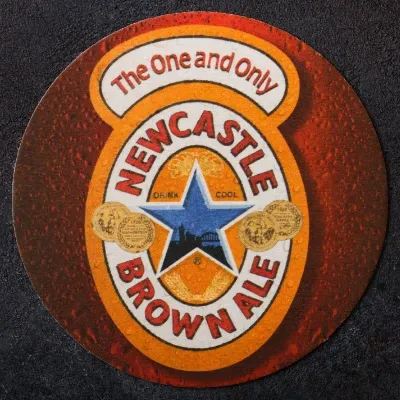
On the other hand, it’s much easier to find a Northern English Brown, although this style didn’t originate until 25 years after Mann’s Brown Ale. You might have heard of it. The original northern version was called Newcastle Brown Ale. Brewed by Lieutenant Colonel James Herbert Porter in northeast England at Newcastle Breweries in 1927, Newcastle paved the way for the re-emerging style of brown ales.
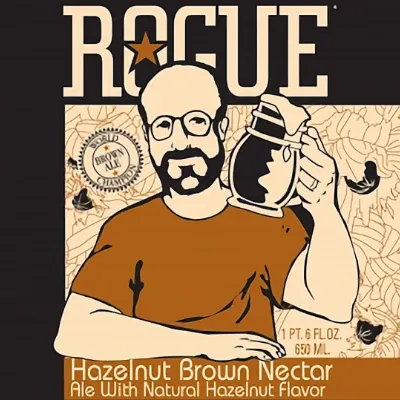
Making its way across the pond to the U.S., American brewers took this style and made it their own. Brown ales were often referred to as nut brown ales due to its color being similar to nuts. They were rarely, though, if ever brewed with nuts. That is until Rogue’s founder, Jack Joyce, decided to do exactly that. In addition to Newcastle, Rogue’s Hazelnut Brown Ale remains one of the most popular brown ales today.
Defining a beer style by its color leaves it open to many interpretations when it comes to brewing beer today. Brown ales are no longer just brown. They may have nuts, lactose, cinnamon, or other adjuncts. They may be bitter or sweet. They could be barrel aged or sour, or even a brown IPA.
And thanks to the many advances in both malting and brewing technologies, brown ales are no longer boring.Your taste buds are greeted with creamy, roasty flavors, often with notes of chocolate and a hint of bitterness. None of these flavors overwhelm the palate. Instead, they play well together to create a well-balanced beer that offers great drinkability all on its own or as a base style for adjuncts.
As in most beer styles, the main difference between brown ales lies in the region of their inception. Northern English Brown is a malt-forward beer with notes of caramel, nuttiness, and chocolate, and often has more alcohol content than the more sessionable Southern style. The Southern English Brown, difficult to find today, has more coffee and biscuity notes than its cousin, and is often darker in color.
And then there’s the American Brown, encompassing an array of complex flavors achieved through many malt and hop varieties. You may find more American style varieties of hop flavors, such as citrus and pine, combined with the malty, roasty, chocolatey, and caramel notes we’ve come to expect from a brown ale. All of this further complicates the delineation of what a brown actually is.
The London Brown Ale (also known as the Southern English Brown) is “a luscious, sweet, malty, low-alcohol dark brown ale, with caramel and toffee malt complexity and a sweet-tasting finish.”
The British Brown Ale (similar to a Northern English Brown) is “a malty, caramelly, brown British ale without the roasted flavors of a Porter. Balanced and flavorful, but usually a little stronger than most average UK beers.”
The American Brown Ale is “a malty but hoppy standard-strength American ale frequently with chocolate and caramel flavors. The hop flavor and aroma complement and enhance the malt rather than clashing with it.”
As many good beers do, brown ales have come back around. From the beginning days of brewing when the color was purely based off of the color of the grains to the 1990s when craft brewers were looking for the next best trendy idea to today when consumers are seeking out more beer flavored beers, the brown ale is making a comeback with its well-balanced flavor profile that will tantalize any taste buds, trendy or not.
Quality brown ales need quality malts to bring out the flavor profiles we all expect from a good brown ale. To get you started try our Munich, Steamed C40, and our Kilned C60. Whatever malts you need for your recipes, here at MMC they’re all exceptional. So when you’re ready to craft your brown ale, we’re ready for you!
“Malt should not be something that somebody has to worry about. That’s our job as maltsters. We produce something consistent and to specification every time and take that off of your plate.” (Joel Grosser, Director of Operations for North America)
Premium grains from field to flavor.
– – – – –
Malteurop Malting Company (MMC) is based in North America – specializing in growing and producing quality malts for the beer, whiskey, and food processing industries.
With local farms and Malthouses spread across the United States, Canada, and Mexico, Malteurop’s commitment to excellence is fully ingrained into every batch it produces, ensuring businesses of any size can create the finest beverages and food products on the planet.
Visit www.malteuropmaltingco.com to learn how we can support your malting needs.
Contact us at customersuccess@malteurop.com or (844) 546-MALT (6258) for questions or to place your order.
Malting is our passion. Quality is our promise.
– – – – –
https://www.craftbeer.com/craft-beer-muses/brown-ales-the-overlooked-spectrum-of-beer
https://learn.kegerator.com/london-brown-ale/
https://beerandbrewing.com/paint-the-town-brown/
https://allaboutbeer.com/article/brown-ale/
https://byo.com/article/northern-english-brown-ale-style-profile/
https://www.brewersunion.com/english-brown-ale/
https://www.bjcp.org/style/2021/13/13B/british-brown-ale/
https://www.bjcp.org/style/2021/19/19C/american-brown-ale/
https://www.bjcp.org/style/2021/27/27A/historical-beer-london-brown-ale/