The Ales of Scotland: a beer styles by region series
December 18, 2024

New Distribution Center in The Greater Toronto Area now open!

December 18, 2024
Culture encompasses all aspects of a society, including Scotland and its ales. From the natural land to the learned behaviors of its inhabitants, culture formulates our spiritual, natural, and physical selves.
It makes sense then that different cultures and regions of the world, alongside distinct beliefs and values, there would also be distinct flavors. And many of those flavors reside in beer.
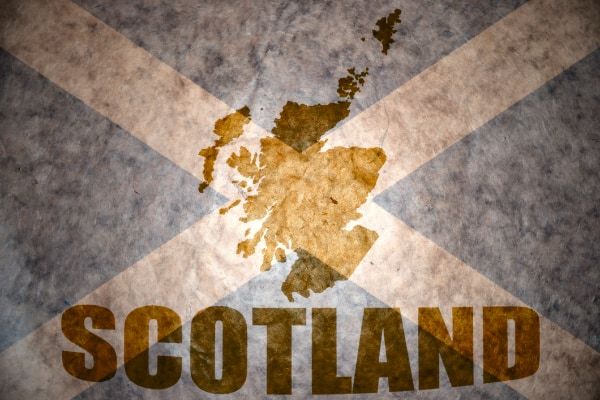
Scotland elicits images of green rolling hills, towering castle peaks, and Nessie waiting just out of sight under the pristine waters of the many lochs.
A vibrant country awash with museums, historical cities, and welcoming people, Scotland celebrates its culture and history through its many art festivals, delectable cuisine, and ancestral beverages, beer included.
With natural and abundant underground springs near Glasgow and Edinburgh, along with fertile land for barley to be grown and malted in its agricultural regions, Scottish ales quickly gained ground.
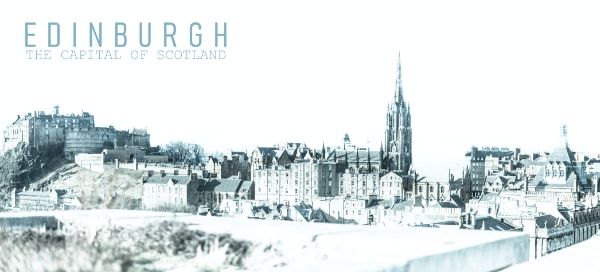
Scottish Ales, Scotch Ales, Wee Heavies, all the same, right? Not quite. But before we get to that, we’ve got to know a bit about the beginnings of beer in Scotland and how any of these names became anything of importance in the first place.
Scotland can claim these beer styles as their own, but other beer styles beforehand influenced them. Namely the dark and strong beers coming out of England.
Even before then, around 5000 BC, some say there was yet another influence on the ales of Scotland, an ale made from the heather plant, Heather Ale. This purple-stemmed, pink bell-shaped flower was used in the place of hops (which were yet to be used in beer), creating one of the oldest ales in the world.
As legend goes, the recipe was lost forever when a father and son, both brewmasters, captured by the king, lost their lives for refusing to give up their precious secret recipe. But that story is for another day.
Fast forward a few thousand years to the English Strong Ale which originated in the British Isles. This influenced what eventually became the English Barleywine. The flavors and nuances of these ales made their way to Scotland.
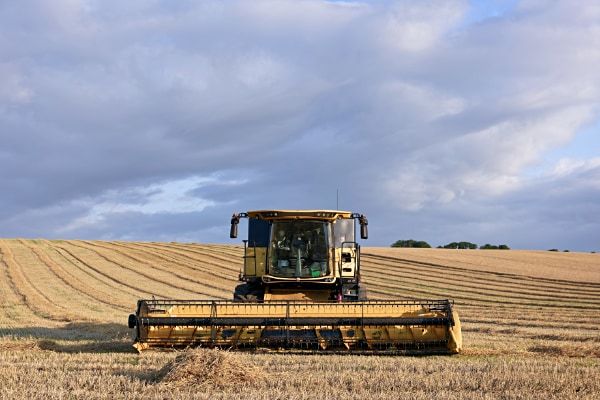
As was required in days long before Amazon and two-day shipping, indigenous ingredients dictated the flavors, regardless of where they originated. In Scotland, barley was readily available and hops were not. Hard to grow because of the climate and expensive to transport from England, Scotland’s brews eventually became well-known for their malt-forward flavors.
But like much of Europe leading into the 15th century, brewing wasn’t yet commercialized, so Scottish ales were yet to be known to the rest of the world. At the turn of the century, around the 1600s, brewing slowly transitioned from traditional monastery breweries to individual homes, where women known as alewives were the brewers.
Read more about the history of alewives.
Realizing the potential income that could be made from the commercial sale of ale, brewing once again transitioned, this time out of the hands of the alewives to commercial proportions. It was also around this time that Scotland forbade the importation of English ales attempting to increase demand for and production of their ales.
Successful with this, finally, in the 19th century, Scotland came into its own in the brewing industry. Edinburgh was at the center of it all, actually giving London and Munich a run for their money.
Or shall we say a run for their shillings?
Shillings, after all, was what the ale was actually called. Not the Scottish ale or Scotch ale you might be thinking.
Initially, a shilling ale was any type of beer, including less malty and/or hoppier ales based on how they were taxed. The higher the tax, the more shillings an ale cost, which was referenced in the ale’s name.
But as time passed the shilling ales became more synonymous with what we now refer to as Scottish Ales. The Scotch Ales became synonymous with the strong ales or wee heavies, named because of being served in small pours due to their booziness, thus a “wee heavy” beer.
Most pubs in Scotland will have 70-Shilling (around 3.5% ABV) and 80-Shilling (around 4.5% ABV) ales. Although not as common, you may also find a 60-Shilling or a 90-Shilling. In general, the higher the shilling, the higher the ABV. And in the past, the higher the tax rate. Each style also typically gets maltier and a bit hoppier as the ABV rises.
Although the tax rates are no longer associated with the shilling numbers, in Scotland, those numbers remain the common names for what we refer to as Scottish Ales. You might also hear them being referred to as light, heavy, and export (aka Wee Heavy).
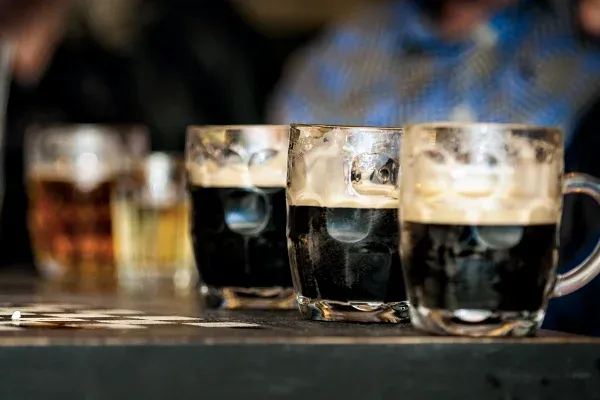
The beers that we like to refer to as Scotch Ales or Wee Heavies are more commonly called Strong Ales in Scotland. Alongside the aforementioned 60-, 70-, 80- and 90-Shilling ales.
Outside of Scotland, those Strong Ales will more than likely be called a Scotch Ale, and often also referred to as Scotch-style Ales. The Wee Heavy is interchangeable with the Scotch Ale name.
This style leans towards a higher ABV percentage and is more common in the U.S. craft beer scene than the Scottish Ales. Some brewers like to add a smokiness to these in honor of Scotch Whiskey, but in reality, a true ale from Scotland, regardless of the name, does not generally have any smoky characteristics.
Scottish Ales are the lighter versions of these beers, akin to an English mild. There isn’t much difference from the Scotch Ale outside of the strength, with a Scottish Ale generally clocking in at less than five percent ABV.
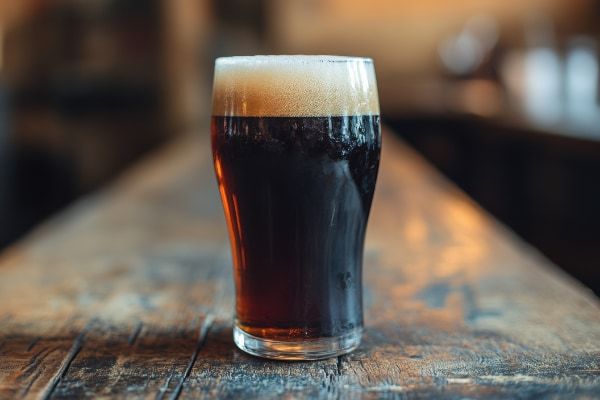
Ales coming from Scotland are malt-forward beers that are sweeter and darker than their ancestors coming from England.
The BJCP (Beer Judge Certification Program) describes the characteristics of these ales with a simple explanation, referring once again to the Shilling ale names.
“Currently, the 60/- is similar to a dark mild, the 70/- is similar to an ordinary bitter, and the 80/- is similar to a best or strong bitter. The Scottish beers have a different balance and flavor profile, but fill a similar market position as those English beers. Traditional ingredients were dextrinous pale ale malt, corn, dark brewing sugars, and brewers caramel for coloring. Modern (post-WWII) recipes often add small amounts of dark malt and lower percentages of crystal malt, along with other ingredients like amber malt and wheat.“
Top-fermented and cold-conditioned, these ales hailing from Scotland possess a rich color along with toasty, toffee, and caramel flavor notes. The flavors are well balanced, offering an easy-drinking, malt-forward beer with a slight increase in the flavors and character traits of each of them as the ABV percentages increase.
Give me an ale, please! And make it from Scotland!
Premium grains from field to flavor.
– – – – –
Malteurop Malting Company (MMC) is based in North America—specializing in growing and producing quality malts for the beer, whiskey, and food processing industries. With local farms and Malthouses spread across the United States, Canada, and Mexico, Malteurop’s commitment to excellence is fully ingrained into every batch it produces, ensuring businesses of any size can create the finest beverages and food products on the planet.
Visit www.malteuropmaltingco.com to learn how we can support your malting needs.
Contact us at customersuccess@malteurop.com or (844) 546-MALT (6258) for questions or to place your order.
Malting is our passion. Quality is our promise.
– – – – –
https://www.hopculture.com/scotch-ales-beer-definition/
https://beerandbrewing.com/dictionary/nqq9c1pwm6/
https://beerandbrewing.com/style-school-strong-scottish-ale/
https://beerandbrewing.com/exploring-scottish-beers-from-shillings-to-wee-heavy/
https://allaboutbeer.com/article/scottish-ales/
https://lovebeerlearning.co.uk/lovebeerlearningblog/a-little-bit-about-wee-heavy