Drink Your Dessert: Pastry beers unwrapped for your indulgence
February 14, 2024

New Distribution Center in The Greater Toronto Area now open!

February 14, 2024
Pastry beer? It is one of the newest kids on the blocks, but pastry style beers are now officially a thing. Let’s dive into these delectable drinks of deliciousness.
If you’ve ever come across a style of beer that you said you would never drink, more than likely that style was a pastry beer or more specifically a pastry stout.
And more than likely, you drank it. And still more likely than that, even though you might never admit it, you loved it. Because how can you resist liquid dessert in a glass?
And that is the easiest way to describe a pastry beer. Liquid dessert in a glass. A flavor bomb. Thick, sweet, and creamy. A beverage resembling your favorite desserts.
Pastry beers can range anywhere from stouts to sours to IPAs. Pastry sours often have copious amounts of fruit. Pastry IPAs are often referred to as milk-shake IPAs and don’t generally have the same decadent adjuncts as other pastry beers. Which is why most pastry beer styles start with stouts as their baseline.
A dark roasty stout is just screaming for additions such as marshmallows, custard, cacao, coffee, nuts, and so much more. Many pastry stouts often include oats and lactose for an added creamy frothiness making it even more dessert-like.
Another defining characteristic to pastry stouts and other pastry beers due to the sugars in the adjuncts, is a higher alcohol content. But it is that higher ABV that also helps define the flavors that are sought out in pastry beers. Those lavishly sumptuous flavors that make us melt into the glass right alongside the marshmallows, oreos, and cheesecake. Yes, cheesecake.
When it comes to ingredients for pastry stouts, the only limitation is your imagination.
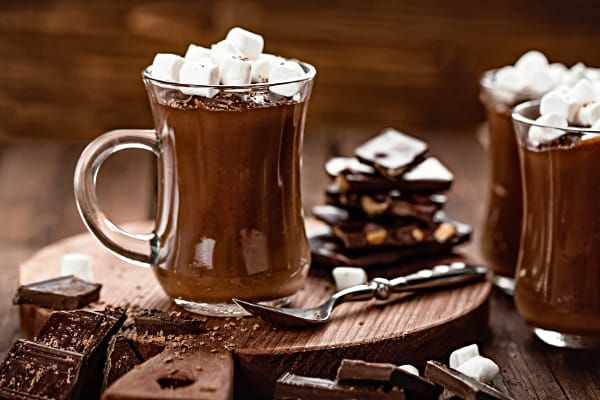
And while a pastry stout is as far beyond the reaches of Germany’s Reinheitsgebot as one can possibly get, it is still beer. In fact, this style was one of two new styles added to the Brewers Association (BA) Beer Style Guidelines for 2023.
And while the pastry stout category crosses over into other similar categories such as Chocolate or Coffee Bears, these dessert style beers are distinct in their combination of their beer base, the flavors, and elevated ABV levels.
“The addition of Dessert Stout, or Pastry Stout to the Beer Style Guidelines reflects the increased commercial availability of these beers. Strong, sweet beers with a dark beer base, these beers incorporate culinary ingredients to create sweet flavor profiles that mimic the character of desserts or pastries. Wisely consumed as a digestif, this style of beer is perfect for generating conversation at the end of a meal.” (Brewers Association)
We’re not drooling, you are!
The BA goes on to say, “Examples of culinary ingredients used in these beers include, but are not limited to chocolate, coffee, coconut, vanilla, maple syrup, peanut butter, and marshmallow, as well as fruits, nuts, and spices. The addition of sugars from any source may contribute to the pronounced sweetness of these beers.”
Despite the fact that lactose isn’t mentioned as a requirement in the BA’s guidelines, most pastry stouts include lactose to give the style an extra creamy taste and mouthfeel.
Still in doubt if a pastry stout is a beer? Even the BJCP recognizes the dessert beer or pastry stout as a style, with the ingredients defining the category it’s placed in.
So in the end, a pastry stout is a beer, but it’s more about bringing a sweet delectable treat to your glass. One that mimics memories of Grandma’s red velvet cake, caramel pecan pie, marshmallow blueberry fluff, or whatever epicurean delight your taste buds can imagine.
Again, the only limitation is the imagination.
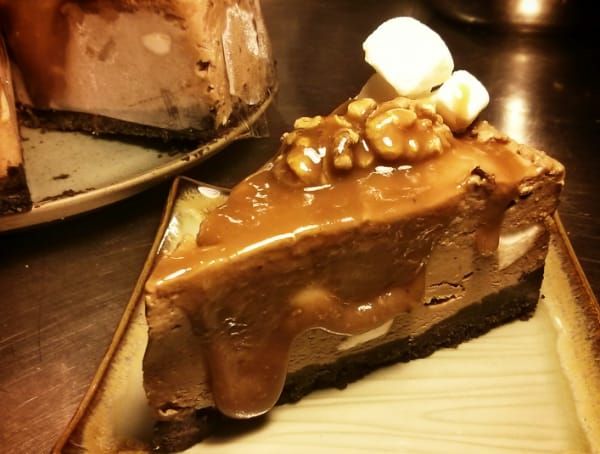
History might be the wrong word to use when it comes to defining where pastry stouts originated because there isn’t much history behind them.
But all styles start from somewhere. And this one started in the U.S. in 2014 from an insult. Alex Kidd of Don’t Drink Beer coined the term pastry stout to insult the beers that were brewed with adjuncts meant to make these beers sweet and sticky.
Turns out pastry stout was the perfect way to describe these beers because they did actually taste like the pastries they were meant to mimic.
But we can still go back a bit further on the timeline to 2011. Two brothers who also happened to be brewers began their pastry stout journey without realizing what they would be initiating.
Mikkel Bjergsø from Mikkeller in Denmark crafted Beer Geek Dessert “which boasted flavors of ‘chocolate, vanilla, roasted caramel and cake’ with ‘sweet and lasting flavor’ and ‘creamy succulence.’” (Crafty Pint)
Let the drool-worthy descriptors begin!
Around the same time, Mikkel’s twin brother, Jeppe, founder of Evil Twin Brewing in New York City, was busy crafting his own unique concoctions. Namely, Biscotti Break, which was full of cacao nibs, vanilla, almond, and biscotti.
In nearby Sweden a mere couple of years later, Henok Fentie at Omnipollo was also crafting some unique brews. With a dream of becoming a pastry chef, those ideals of sweet treats made their way into his brewing repertoire. Today, Omnipollo continues to be in the forefront with its innovative and quality-driven dessert beers, paving the path for whatever you would like to brew.
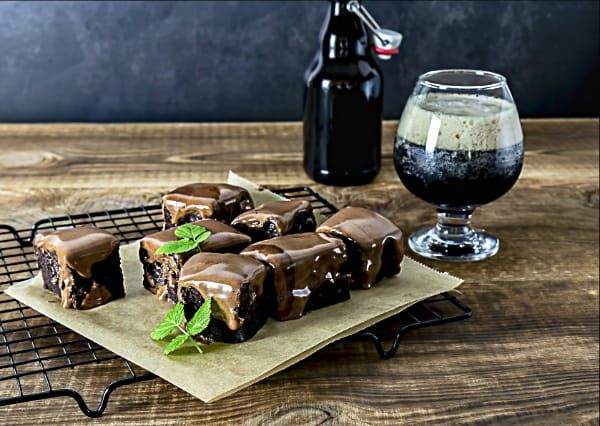
Yes, you can put anything in a beer. But in reality, not every flavor works in a beer and not every adjunct works the way you need it to create the beer you’re dreaming of.
As a brewer, you know that brewing is a combination of both art and science, but in the end it’s the science that’s going to dictate whether the art works properly. And with the unlimited ideas of adjuncts that can be added to dessert beers, those adjuncts still have to collaborate with the other ingredients throughout the entire brewing process.
Still made with a base of water, malt, hops, and yeast, the in-your-face flavors of pastry stouts need to be exactly that – in-your-face – but they also need to have a balance of flavors where the ingredients work together to craft… well… beer.
Although dessert beers may include everything but the kitchen sink, those ingredients are not just tossed in willy-nilly. There’s purpose and intention behind each one. It’s those ingredients that help define these beers, but they can also pose possible challenges.
The base of a pastry stout consists of many protein heavy grains the likes of wheat, oats, and spelt in every form of them. Copious amounts of adjuncts are added to bring out the expected flavors. As a brewer, you may have never worked with red velvet icing, marshmallows, and cacao together before. This can be both exhilarating and exasperating to see how it all comes together.
A robust yeast with high attenuation is needed to handle the dense combination of these copious amounts of decadent sweets. But you can’t just put in the yeast and walk away. They may be microscopic, but they’re as hungry as a horse. So, for as much as you would normally keep an eye on the amount of simple sugars in your recipe, it’s a requirement even more so when brewing a pastry beer.
The recipe might call for more adjuncts right before packaging, as well. This in itself is yet another challenge. You all know what sugar does in a can, so balancing how much sugar and when to add it, while this is always something you monitor, is even more important with pastry beers.
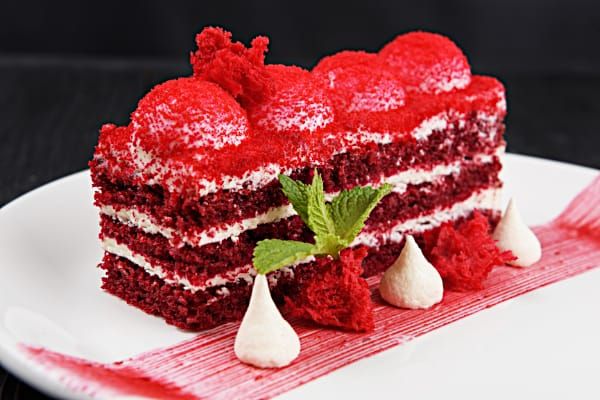
The challenge of pushing the boundaries with beer has never stopped anyone before, so why stop now. You get to go back to having fun with brewing again.
You get to say, “Let’s put in [blank] and see what happens.” Of course, you’ll have a goal in mind, an expected outcome, but the art comes back into play alongside the science. It’s like being a kid in a candy store, but now you have the means to create the candy!
And yes, as a brewer you can brew both traditional styles and over-the-top styles and do both well. Everyone expects ambers, IPAs, and pilsners. But nobody expects a pastry beer. And when they get one, they’re going to have just as much fun drinking it as you did brewing it.
Here at Malteurop we pride ourselves on our high quality and diverse malts. Malts that are a perfect match for all the products you diligently work to create for that perfect dessert in a glass. Click here to learn more and get your beverages dessert ready!
Premium grains from field to flavor.
– – – – –
Malteurop Malting Company (MMC) is based in North America—specializing in growing and producing quality malts for the beer, whiskey, and food processing industries. With local farms and Malthouses spread across the United States, Canada, and Mexico, Malteurop’s commitment to excellence is fully ingrained into every batch it produces, ensuring businesses of any size can create the finest beverages and food products on the planet.
Visit www.malteuropmaltingco.com to learn how we can support your malting needs.
Contact us at customersuccess@malteurop.com or (844) 546-MALT (6258) for questions or to place your order.
Malting is our passion. Quality is our promise.
– – – – –
https://www.hopculture.com/what-is-a-pastry-stout-sweet-beer/
https://craftypint.com/news/2961/shut-up-and-drink-your-dessert-pastry-beers-part-1
https://craftypint.com/news/2967/shut-up-and-drink-your-dessert-pastry-beers-part-2
https://www.bjcp.org/style-entry-suggestions/