Berliner Weisse: Funky, Fruity, Fresh!
April 26, 2023

New Distribution Center in The Greater Toronto Area now open!

April 26, 2023
In the heat of summer, we’re all looking for that beverage that cuts through the sweat droplets and quenches our thirst. And no, we don’t water. We want beer. Yet, many light beer styles out there today may quench our thirst, but they’re lacking in flavor. Bluntly put, they taste like water. If we wanted water, we’d drink water right?
But we don’t want water; we want beer.
Enter…Berliner Weisse.
While the history of this German style wheat beer is a bit hazy (pun intended), what is clear is that it offers a crisp, refreshing taste meant for those hot, lazy days of summer.
Some say that this style had its beginnings in France when French immigrants made their way to Germany in the early 1700s. While traveling towards Berlin, they adopted the region’s unique brewing styles along the way. Others say that it started directly in Berlin in the 1600s with other possible historical mentions dating back to the 1500s.
Ironically, today, it’s the American brewers that are now taking this historical beer to the next level. However, in the early 19th century, when it was at its most popular, there were over 700 breweries brewing the Berliner Weisse. Which, by the way, could only be brewed in Berlin. Today, in Berlin, there are now only two: Berliner Kindl and Schultheiss.
A Berliner Weisse is meant to be a light, refreshing beer. Call it the Champagne of the North, if you’d like. But in its simplest form it is a tart wheat beer. It was brewed originally by boiling the hops with water and then blending it into the mash. The hops were not added directly into the boiling wort in typical brewing style. Because of this, an almost wild fermentation occurs, resulting in a natural acidity level that has now become one of the trademarks of the Berliner Weisse.
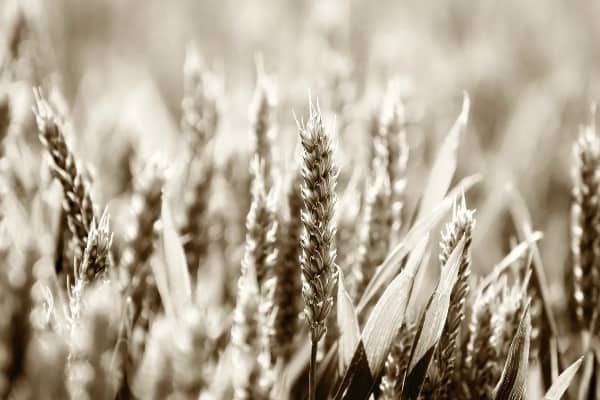
Another trademark to this style is wheat. Wheat is around 50% of the grain bill which gives it its hazy hue and plays well with the tartness that comes from the Lactobacillus, that naturally occurring bacteria as mentioned above. These two key components are what gives the Berliner Weisse its funky and fruity styles of refreshing and complex flavors.
In its beginnings, to cut the almost pungent funk and acidity of it, brewers would add one of two syrups to it prior to serving. You could choose a fruit forward syrup of red raspberry or an earth flavored green woodruff syrup.
Today, while Germany’s production of its original Berliner Weisse is almost non-existent, American brewers are crafting this style right into a full on comeback. Using a variety of natural fruits and combinations of them – fruits like peaches, apples, raspberries, kiwis, and more – what you get now is a beer perfect for the heat of summer. One that cuts through the sweat droplets. One that has mouth-watering flavors. And one that is still beer. And more importantly, beer that doesn’t taste like water.
If we wanted water, we would drink water.
Bring on the heat of summer. We’ve got the beverage to combat it!

* * * * * * * * * * * * * *
Here at Malteurop we pride ourselves on our high quality and diverse malts. Malts that are a perfect match for a Berliner Weisse and all the beers you diligently work to perfect. Click here to learn more.
– – – – – – – – – – – – – – – – – – – –